Testing for Sexually Transmitted Infections

If you're sexually active, especially with multiple partners, you’ve likely heard advice like, "Use safer sex practices, protect against unplanned pregnancy, and get tested."

Testing is important because STIs can be present without symptoms. The type and frequency of tests depend on factors like your age, sexual behaviors, and risk factors.

If you're considering testing, talk to your doctor about which tests are right for you. Remember, STI testing may not be included in routine exams like gynecologist visits or Pap tests.

Which tests should be done, and how often should you be tested?

Once a year, it is recommended to test for Gonorrhoea, Chlamydia trachomatis, Herpes simplex virus, HIV (if you are not already known to be positive), Hepatitis B virus (if you have not previously been vaccinated or are not known to be immune), and Syphilis.


Less often, in women, testing for Human papillomavirus (HPV) is recommended. HPV is the cause of cervical cancer, and testing for HPV infection is advised after the age of 30 years. For women under 30 years, a pap smear is the recommended test to detect early signs of cervical cancer. In many countries, the first pap smear is recommended at age 21 or within three years of becoming sexually active. Pap smears should then be conducted annually until the age of 30. After 30, HPV testing is recommended, although in South Africa, less frequent testing is advised.

How is the test done?

STI tests are performed by specialised laboratories on a urine sample (preferably the first sample of the morning), or on a swab taken from the penis in men and the cervix in women. In addition, a tube of blood is required to complete the screening procedures. Swabs need to be collected by a trained healthcare practitioner. For this reason many people prefer to collect a suitable urine sample on their own and submit this for testing.


A cervical sample is required for HPV testing or a pap smear. Speak to your healthcare practitioner about screening for cervical cancer.

Who should consider getting tested?

If you had sex with someone with an STI, or if you think you might have an STI, you should get tested. People at risk for getting an STI include:

  • If you were diagnosed with an STI in the last year
  • Adolescents and younger adults (15 – 24 years old)
  • If you have multiple sex partners, including meeting anonymous partners on the internet
  • People who have sex for money or drugs (transactional sex)
  • If you have sex under the influence of drugs
  • People who inject drugs
  • People living with HIV
  • Men who have sex with men
  • Commercial sex workers
  • Pregnant women
  • If you have been forced to engage in sexual activity against your will
  • Transgender and gender diverse people

How accurate are these tests?

No test is 100% accurate, so it's possible that some infections may not always be detected. Blood tests for STIs like HIV, Hepatitis B and Syphilis may take a few weeks to become positive. This will be explained in the report that is issued by the laboratory.

How long will I have to wait for my test results?

On average, the results of the tests mentioned above should be available 2 – 3 days after the urine, blood, or swab arrives in the laboratory.

Why should I worry about these infections?

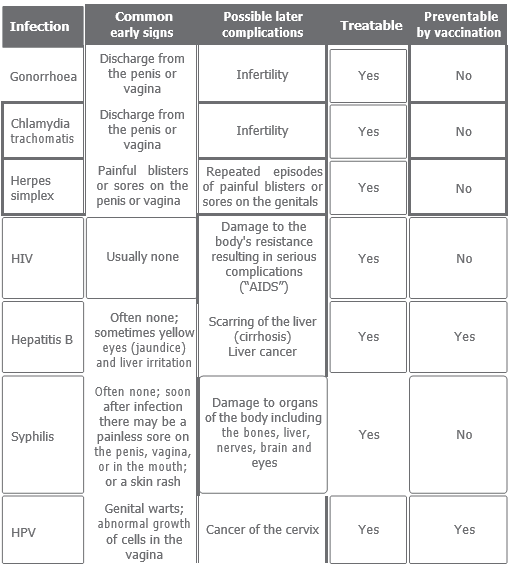
All the STIs mentioned above can be transmitted to sexual partners. Many of them can cause later complications. The most important of these are shown in the following table:

Are these the only STIs for which there are tests?

There are several other types of STI's, but a decision to test for them should be made after a consultation and examination by your doctor. The infections listed here are the most important ones that can affect your and your partners' health.

What should I do to get treated if I have a positive STI test?

You will need to consult your doctor who will review the laboratory report and undertake the necessary treatment. You may be advised that your regular sexual partner/s may also need to be tested and treated. Depending on the type of STI that's been diagnosed, further medical assessments may be required and follow-up laboratory tests may need to be done.

What about STIs during pregnancy?

This is a special situation as the health of both the mother and the developing baby may be affected by STIs as well as other infections. Tests for a much wider range of infections are therefore recommended. Your doctor will advise you on the appropriate investigations that need to be done as part of your routine antenatal care.